Showing posts with label Medicine. Show all posts

Thursday, July 8, 2010

HUS and The Good Life

Today I posted my first disease-specific piece over at Stream of Thought. This post addresses hemolytic uremic syndrome:
Hemolytic uremic syndrome (HUS) flourishes in the summer, for reasons we do not understand. This common cause of acute kidney injury in children also demonstrates geographic hot-spots, and the disorder can reach epidemic rates in July and August.
 Yes, Nebraska seems to be one of the hot-spots.

As promised, I am linking to my “professional” posts from the new site.

The new web site gives me a place to publish all sorts of information about my interests, including save-able/print-able PDF’s (no downloadable files here on PLaneBlogger/Blogspot).

So click on over and enjoy. Oh, and let me know if you have any thoughts for topics or for the website.

Wednesday, May 12, 2010

Journal Club: Is Saline Toxic?

Outcomes of critically ill children requiring continuous renal replacement therapy
Hayes et al. J Critical Care (2009) 24:394-400;  PMID: 19327959

What was studied?

A number of retrospective studies in children and adults (including one by someone named Lane) demonstrate that volume overload at the initiation of renal replacement therapy for acute kidney injury (AKI) increases risk of death. The study I reviewed for today’s Photoxpress_3018802journal club examines a single-center (Children’s Hospital of Alabama) series of pediatric AKI patients treated with continuous renal replacement therapy (CRRT) from January 2000 through September 2005. In addition to examining predictors of mortality, a variety of secondary outcomes are included in the study (duration of mechanical ventilation, length of intensive care unit stay, days of hospitalization, and time to renal recovery). The investigators predicted that greater fluid overload at the time of initiation of CRRT would produce more adverse outcomes.

How was it studied?

After appropriate human subject protection review, charts of all CRRT patients were examined for standard demographic and diagnostic information. Fluid overload (FO) was calculated from admission to the intensive care unit until CRRT initiation:

(Total Intake Liters – Total Output Liters)/Admission Weight Kilos

I have one complaint with this score; if the patient were significantly volume depleted at the time of admission, it could overestimate volume overload. Given that a true “dry weight” would not be available for most patients, this is probably the best measure they could use.

Pediatric Risk of Mortality 2 scores (PRISM) were calculated for admission and onset of CRRT. Appropriate statistical analysis is described.

What was found?

Over this almost 6 year period, 76 courses of CRRT were studied, including 42 survivors and 34 nonsurvivors. The groups were similar for age, race, and sex. PRISM scores of “sickness” were similar, as were the requirement for blood pressure support mediations and level of kidney dysfunction. The number of hospital days before starting CRRT did not differ between the groups, nor did the type or dose of CRRT. Nonsurvivors were more likely to require a ventilator at the time of CRRT initiation, have higher airway pressures 24 hours into their course of CRRT, and had greater FO before starting CRRT.

If FO was above 20% of admission body weight when CRRT began, the odds of dying during the illness were increased 6-fold (95% confidence interval 2.2-17.0, p=0.0006). Risk of mortality also increased with sepsis (odds ratio 12.9, p=0.0001) and multiple organ dysfuntion syndrome. If only the kidneys had failed, all patients survived.

So they have confirmed the prior literature; what was new? For the 42 survivors, FO above 20% associated with longer need for a ventilator (16 v. 7 days), length of intensive care unit stay (21 v. 14 days), length of hospital stay (57 v. 27 days), and time to renal recovery (26 v. 8 days).

What does this mean?

This study confirms FO as a marker of mortality in children requiring CRRT for AKI. In addition, it shows worse outcomes for children who survive their illness, with longer time on a ventilator, on dialysis, and in the hospital.

Because of the retrospective and descriptive nature of the study, the major question remains:

Why is volume overload associated with worse outcomes in AKI?

When my own work found this association in bone marrow transplant patients, we hypothesized that sicker patients received more fluid for blood pressure support; our population also required more drugs to keep blood pressure up. In this study from Alabama, drugs for blood pressure support did not differ between these groups, nor did PRISM scores to estimate the level of “sickness” of the patients.

What is the alternative to FO as a marker, an epiphenomenon? Perhaps FO itself is toxic. Extra fluid may complicate ventilation and other body systems, especially if it leads to compromised nutritional support. Would earlier intervention with CRRT (perhaps at 10% FO) lead to better outcomes? Only a prospective multicenter study will answer this question.

Take-home message

Many physicians see fluid therapy as a completely benign thing to do, with little potential for adverse outcomes. Certainly, patients should receive fluid resuscitation, as noted by the study authors:

…it is vitally important that critically ill children in shock receive adequate treatment; we do not advocate withholding fluids from children during resuscitation.

This study provides one more piece of evidence that we need multicenter studies of earlier CRRT initiation. Only then will we know if saline is the bad guy or an innocent bystander in the morbidity and mortality of the critically ill.

Image courtesy of PhotoXpress.

Tuesday, May 11, 2010

Excuses and Delays

Yesterday my first PhD student’s comprehensive exam kept me from blogging (she passed, of course), and today I must finish a journal club presentation. Journal club sounds like it might be some sort of fun, exclusive activity for which you wait in line; if you aren’t dressed correctly, the boPhotoxpress_5528831uncer may not let you participate.

Of course, I would be dressed correctly for any occasion!

In reality, journal club provides an important piece of biomedical training, honing skills in critical appraisal of the literature. Participants (me, this time around) select an article to critique.

The process proceeds similar to manuscript review. We discuss the experimental question, the methods used to collect and analyze the data, the interpretation of the data, and how it all fits together with everything else we know. For established physician-scientists such as myself, journal club is a good way to review a topic and discover something new. For trainees, critiquing studies helps develop a sense of “the way things are done.” Science and medicine, especially when written, have their own language and conventions. Learning how to fit into this culture is part of the training- along with learning how to conduct and critique research. Oh, and picking up a bunch of facts as well.

Tomorrow I will provide a brief post on my article.

Image courtesy of PhotoXpress.

Sunday, May 9, 2010

Culture Clashes and the AAP

Last week the American Academy of Pediatrics (AAP) released an updated version of its position statement on ritual genital cutting of minor females. It is telling that the original statement from 1998 addressed female genital mutilation; this change is language is not accidental. And the change in tone of the position statement produced much controversy in its wake.

Female Genital Cutting/Mutilation (FGCM)

Some describe FGCM as female circumcision, although the procedures are not analogous. Removing the foreskin does not render the penis inoperable. The World Health Organization classifies FGCM into 3 levels, most of which involve removing the clitoris.

FGM Male circumcision produces no benefit for most, but also yields no harm. Some evidence of medical benefit exists in regards to urinary tract infections and HIV transmission. FGCM may leave women with significant health problems, especially in regards to future fertility and urinary function.

FGCM is practiced in some regions of Africa and Asia, as documented at the WHO site.

What has changed

The title of the new AAP statement provides the first clue to changes in the document apparently driven by physicians working with immigrant communities. The abstract would lead one to believe that little had changed in the recommendations:

The traditional custom of ritual cutting and alteration of the genitalia of female infants, children, and adolescents, referred to as female genital mutilation or female genital cutting (FGC), persists primarily in Africa and among certain communities in the Middle East and Asia. Immigrants in the United States from areas in which FGC is common may have daughters who have undergone a ritual genital procedure or may request that such a procedure be performed by a physician. The American Academy of Pediatrics believes that pediatricians and pediatric surgical specialists should be aware that this practice has life-threatening healthrisks for children and women. The American Academy of Pediatricsopposes all types of female genital cutting that pose risks of physical or psychological harm, counsels its members not to perform such procedures, recommends that its members activelyseek to dissuade families from carrying out harmful forms of FGC, and urges its members to provide patients and their parents with compassionate education about the harms of FGC while remaining sensitive to the cultural and religious reasons that motivate parents to seek this procedure for their daughters.

Later in the discussion, issues of cultural sensitivity arise:

The American Academy of Pediatrics policy statement on newborn male circumcision expresses respect for parental decision-making and acknowledges the legitimacy of including cultural, religious, and ethnic traditions when making the choice of whether to surgically alter a male infant's genitals. Of course, parental decision-making is not without limits, and pediatricians must always resist decisions that are likely to cause harm to children. Most forms of FGC are decidedly harmful, and pediatricians should decline to perform them, even in the absence of any legal constraints.However, the ritual nick suggested by some pediatricians is not physically harmful and is much less extensive than routine newborn male genital cutting. There is reason to believe that offering such a compromise may build trust between hospitals and immigrant communities, save some girls from undergoing disfiguring and life-threatening procedures in their native countries, and play a role in the eventual eradication of FGC. It might be more effective if federal and state laws enabled pediatricians to reach out to families by offering a ritual nick as a possible compromise to avoid greater harm.

The 1998 statement was easy: FGCM is medically wrong and illegal; don’t do it! The current document provides final recommendations that read almost the same:

The American Academy of Pediatrics:

  1. Opposes all forms of FGC that pose risks of physical or psychological harm.
  2. Encourages its members to become informed about FGC and its complications and to be able to recognize physical signs of FGC.
  3. Recommends that its members actively seek to dissuade families from carrying out harmful forms of FGC.
  4. Recommends that its members provide patients and their parents with compassionate education about the physical harms and psychological risks of FGC while remaining sensitive to the cultural and religious reasons that motivate parents to seek this procedure for their daughters.

Only in the discussion do they discuss offering a “ritual nick” as an alternative to a riskier procedure, recognizing that even this alternative remains illegal. My question: will the “ritual nick” eventually lead to more significant procedures to appease parents?

FGCM is illegal for a reason. I recognize that other cultures are as valid as my own, but we have outlawed these procedures for very good reasons. Other cultures permit “honor killings;” would we tolerate these in this country just to be culturally sensitive? I know we do not! When you choose to immigrate, you choose to make changes in your life. Eliminating FGCM is one change that must be made.

Thursday, May 6, 2010

Jumping Through the Hoops to Make Bones Better

My nurses do a great job keeping the clinical service running, especially handling prescriptions and the nonsense sometimes required by insurers. Treating children with chronic kidney disease means prescribing a lot of medications not approved specifically for use in children. Sometimes we must jump through flaming hoops to get the job done.

hyperparathyroidism-718x567 Today, they had a new issue.

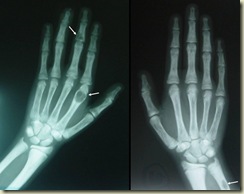
We prescribed calcium acetate, a medication used to bind phosphate. As the kidneys lose function, they cannot eliminate phosphate from the body. Dietary reduction helps, but since most organisms store energy in phosphate molecules like ATP, it cannot be eliminated entirely. Patients can take calcium or other medications with meals to bind to the phosphate in the gut. Calcium phosphate cannot be absorbed into the body. Instead, it is fecally excreted (or pooped out, as I tell my patients). Excess phosphate (along with lack of the active form of vitamin D) causes bone problems in many patients with chronic kidney disease, including secondary hyperparathyroidism (shown in x-ray).

Being generally cognizant of insurance limitations, we generate most prescriptions for the generic drug, in this case:

Calcium Acetate 667 mg three times daily with meals

Today, we received a fax:

Patient must fail a 2-week trial of PhosLo before calcium acetate can be prescribed.

PhosLoSo what is PhosLo? The trade name of calcium acetate 667 mg tablets.

Yup, same stuff. So we wrote back and gave permission to prescribe PhosLo. Duh!

Thank you, Nebraska Medicaid, for providing today’s blog fodder. And a lot of head-shaking in our office!

Monday, May 3, 2010

Can 10 Minutes Be “The New Black?”

Photoxpress_4439304

New England Journal of Medicine runs a column on “Becoming a Physician.” In the April 29, 2010 issue this piece by Susan Mackie, MD, explores “The Value of DNKs.”

For non-clinician readers:

DNK (pronounced "dink" and always uttered wistfully by the residents in my program) is the abbreviation that appears on our online schedule when a patient "did not keep" an appointment.

Dr. Mackie goes on to compare two clinics during her primary care residency at Beth Israel Deaconess Medical Center in Boston:

I thought about the previous day. Then, my clinic had felt frenetic, I had felt cynical, and I know that my patients had left dissatisfied. What had changed? There were many possible factors — from what I had eaten for lunch to the traffic my patients had fought on their journey in — but one difference stood out in my mind: DNKs.

…I began to suspect that the reason I felt I was a good doctor was largely the result of my two DNKs. DNKs create time.

She goes on to discuss the techniques her preceptor teaches to “make a 10-minute visit feel like a 60-minute visit.” Even though this doctor is merely a second-year house officer, she is not fooled:

Either I am not skilled enough to make 10 minutes be 60 minutes, or there is something real about clock time. I suspect it's the latter.

The real question, one that Mackie eventually touches: why would anyone consider a 10 minute visit adequate? No physician, no matter how experienced, can take any sort of history, do a meaningful exam, and provide treatment and advice in 10 minutes! When I started at my current institution, we scheduled 20 minute return appointments in our Pediatric Nephrology clinics. By the third appointment, we were late. Parents and children were cranky. Hell, I was cranky. We saw everyone, and eventually gave them the time they needed. But the schedule was, frankly, more of an ordered list than time slots.

We changed our return patients to 30 minute slots, extending the clinic day (on paper) by a bit. We marked charts with special considerations. Non-English speaking needing a translator? Anxious mom who will want to talk about everything at least twice? Child accompanied by a biological parent and foster parents? Longer slot or, even better, the final slot- when only my staff and I will  be inconvenienced. There are still days when the proverbial shit happens and we get delayed, but they are few and far between. We still see the same number of patients, generating the same revenue, but we do it much closer to the scheduled time. We all feel better!

Of course, I am in a subspecialty in an academic medical center. I am not in the position of running a private practice. Susan Mackie envisions her future in primary care:

Enthusiastically, and perhaps naively, I have mentioned to my mentors that I look forward to a future in which I will be able to share responsibilities with nurse practitioners and physician's assistants in such a way that my appointments with patients will be fewer, more thorough, and more satisfying for everyone involved. None of the experienced physicians I've talked to have confidently embraced this vision. Perhaps they have seen too many changes for the worse to believe that a change for the better is possible.

The problem with her vision? First, one has to generate sufficient income to cover all of the expenses for those NPs and PAs. Also, adding extenders may increase individual visit time with Patient X on a given date, but it means you are not seeing Patient Y. Many patients feel slighted if they do not see the doctor. And if you just stick your head in the door after an extender does the real visit, well, we are back to the 10 minute paradigm.

Like Dr. Mackie, I have no solution. The economics of current reimbursement policies mandate a certain number of visits each day to cover the costs of a business like a private practice. As patients become more complex, with more chronic diseases, these issues will only worsen. We keep expecting more for less in office practices; soon we will hit the wall.

In Harry Potter and the Prisoner of Azkaban, Hermione can manipulate time. Until we muggles can bend the laws of physics, we have to value the time a doctor needs with patients. 10 minutes can never be “the new hour.”

Image courtesy of PhotoXpress.com.

Friday, April 30, 2010

What’s In a Name? Uremia, for Example

Uremia (or uraemia for my friends from the Empire) results from kidney failure. Accumulated wastes build up in the blood, resulting in a number of symptoms; these symptoms include loss of appetite, vomiting, headache, rashes, abnormal body odor, bleeding (due to platelet problems), and coma. The term “uremia” comes from “urea" which is a nitrogenous waste product measured in the  blood. Elevations in urea usually reflect poor kidney function, but a number of other conditions may raise blood urea nitrogen (BUN) Urealevels independent of kidney function. These include high protein diets, catabolic states such as sepsis, gastrointestinal bleeding, and a number of drugs (glucocorticoids most notably).

In general, BUN correlates well with uremic symptoms, but urea is not the cause of these symptoms itself. Supporting data comes primarily from a study of urea loading in chronic dialysis patients. Patients studied still had abnormal kidney function, so while high levels of urea did not result in “uremia” in otherwise well-dialyzed patients, other abnormalities could not be studied.Plts

Thanks to a Brief Communication in the May issue of Journal of the American Society of Nephrology (JASN) we now know that uremic platelet dysfunction is not due to urea.

Linthorst, Avis, and Levi studied platelet function in vivo and in vitro from 3 family members with familial azotemia. In this rare inherited disorder, blood urea levels rise to levels consistent with uremia but without reduction in glomerular filtration rate or accompanying uremic symptoms. All platelet studies fell within the normal range, ruling-out urea itself as the cause of platelet dysfunction.

Sometimes I am asked to dialyze patients with high BUN levels but relatively normal glomerular filtration rates to help with bleeding or other uremic possibilities. Now we know that lowering BUN is not itself beneficial because it is merely a biochemical epiphenomenon, not the real toxin. All thanks to an experiment of nature.

To Whoever Just Paged Me

Dear You Know Who You Are:Doctor

Right now, you are cursing me for not answering your summons immediately. Your emotions will rise over the next few minutes as I continue not to call, then you will calmly document my failure in a chart and on evaluations of my performance.

It is you who deserve the FAIL.

You paged me to 4 digits. At some institutions this is sufficient information for a page, but not in my professional life.

The Nebraska Medical Center includes prefixes 552- and 559-. Either of these is possible.

Children’s Hospital and Medical Center of Omaha uses 955- numbers.

I also get paged to other hospitals in town and dialysis units. And right now, I am not the doctor on call.

Short of trying every permutation with these 4 digits (which are not familiar to me), I cannot know where you want me. And I do not feel obliged to try.

Is your life really so onerous that you cannot punch an extra 3 digits into the phone when you page me? Really? REALLY? I guarantee it will take less time than waiting for my answer to your insufficient request.

Sincerely,

Pascale H. Lane, MD

Photo courtesy of PhotoXpress.

Thursday, April 22, 2010

Paging the Page Kidney: Biomedical Musings

I recently saw a medical condition I had never encountered before. A teenager had been diagnosed several months ago with hypertension (high blood pressure) by his primary care physician. After dietary modifications failed to lower his readings to acceptable levels, an ultrasound showed an abnormality in one kidney. MRI further defined a mass within the kidney consistent with a resolving hematoma, or subcapsular bruise.

Irvine H. Page demonstrated that tightly wrapping a kidney with cellophane would induce hypertension in 1939; in his honor, this type of kidney problem is called a Page kidney. More information, including an MRI and pathologic specimen, can be seen in this feature in New England Journal of Medicine.

So how does wrapping a kidney in cellophane or adding a subcapsular mass cause high blood pressure?

Page Kidney

The left image shows a diagram of a normal kidney with its artery entering and branching. Repeated branches occur until each vessel ends in a filtering unit or glomerulus. The capsule forms the large border around the pink “meat” of the diagrammed kidney; this firmer scar-like structure holds the organ in place. If bleeding occurs within the kidney, from a blow to the flank or a kidney biopsy, a bruise may form under the capsule as in the image on the right. This bruise or hematoma cannot push the firmly made capsule out, so it squishes the working part of the kidney, including blood vessels in the region.

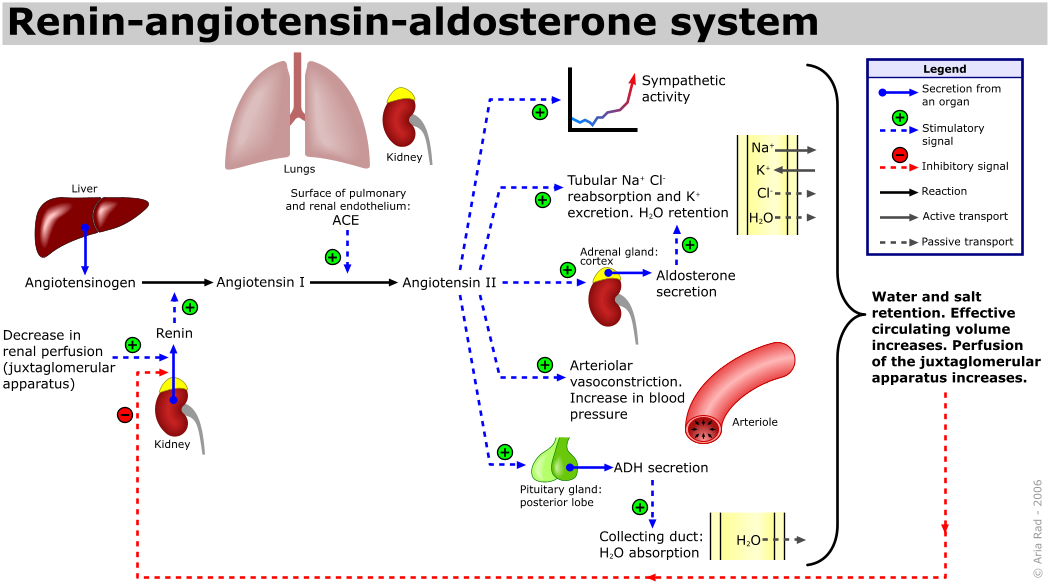
When the kidney sees a reduction in blood flow, it cannot tell if low blood pressure in the body or compression by a hematoma (or some wacky scientist wrapping it in cellophane) has caused the problem. The blood vessels near the glomeruli respond by pumping out a hormone called renin that turns on the angiotensin-aldosterone system, raising blood pressure throughout the body).

Thus, a squished kidney causes high blood pressure. This form of hypertension can often be cured by draining the hematoma or removing the offending kidney.

And 25 years after completing medical school, I still see new things!

Monday, March 22, 2010

Making and Breaking Rules

A couple of weeks ago I posted on neonatal hypertension. In the course of that piece I commented that I had made a rule about when I would recommend treatment for this condition. A commenter, Dr. Isis, asked the following:

I am interested in the "I decided to make a rule..." part of it. Can you tell us more about how you made this decision?

I posted an answer about my review of the literature and other considerations, but that really does not address the root of the issue; why did I feel the need to make a rule?

So I reviewed a relatively recent book, How Doctors Think.HowDrThink This read from 2007 examines the ways physicians deal with uncertainty in medicine. We learn to recognize patterns, and respond to them accordingly. Neonatal hypertension bothered me because of the uncertainty, the lack of data to drive decisions. We usually cannot identify a cause, we cannot determine which tiny minority of patients will not do well, and yet we hope to do no harm using drugs not approved for use in infancy.

In my case, I wanted a rational approach to the common neonatal hypertension patient who had no evidence of kidney or vascular problems to explain the hypertension. I picked a level of blood pressure that seemed significant, and I decided to treat at that level.

Physicians deal with uncertainty on a daily basis. We rarely know everything about a patient (not until the autopsy, anyway), and our patients rarely fit the textbook completely. Recognizing patterns and responding to them makes practice possible, although numerous examples in Jerome Groopman’s book illustrate the dangers of these thought processes.

Lots of doctors proclaim that they do not practice “cookbook medicine.” In other words, they treat each patient individually rather than relying on rules, flowcharts, and other “cookbooks.” Of course, they all do rely on rules to some extent- the important thing is to realize when the pattern and response to treatment vary in some important way that will influence the patient’s outcome.

As I noted at the end of my earlier post, my rule seems to be serving me well. I spent far more time considering why I formulated it than I took to create it.

Tuesday, March 9, 2010

Primer on NICUs

Last week I posted on neonatal hypertension. This week I am reminded that not everyone appreciates the level of care some newborn infants require, nor that nurseries are rated for the level of care that they may provide.

The American Academy of Pediatrics describes 3 major levels of newborn nursery care, with 4 sublevels for those serving the sickest infants as outlined below:

Basic neonatal care (level I)

    Well-newborn nursery

    Evaluation and postnatal care of healthy newborns

    Neonatal resuscitation

    Stabilization of ill newborns until transfer to a facility at which specialty neonatal care is provided

Specialty neonatal care (level II)

    Special care nursery

    Care of preterm infants with birth weight at least 1500 g

    Resuscitation and stabilization of preterm and/or ill infants before transfer to a facility at which newborn intensive care is provided

Subspecialty neonatal intensive care (level III)

Level IIIA

        Hospital or state-mandated restriction on type and/or duration of mechanical ventilation

Level IIIB

        No restrictions on type or duration of mechanical ventilation

        No major surgery

Level IIIC

        Major surgery performed on site (eg, omphalocele repair, tracheoesophageal fistula or esophageal atresia repair, bowel resection, myelomeningocele repair, ventriculoperitoneal shunt)

        No surgical repair of serious congenital heart anomalies that require cardiopulmonary bypass and /or ECMO for medical conditions

Level IIID

        Major surgery, surgical repair of serious congenital heart anomalies that require cardiopulmonary bypass, and/or ECMO for medical conditions

I visited a shopping center yesterday that was plastered with posters about a new Women’s Hospital nearing completion in Omaha. According to these posters, this place will provide comprehensive service for mothers and infants, including the first level III NICU in west Omaha. On their website they describe the design and engineering that will make their facilities wonderful:

Unfortunately, the subtlety of “virtually all” critically ill neonates may be lost on a lot of laypeople. Many of them will see the following still on the landing page and assume that “everything” means, well, everything:Women's Hospital

I am one of two Pediatric Nephrologists in this region. We currently see patients, including sick newborns, at 3 hospitals in the Omaha area, all with level III NICUs (2 are IIID; the other is IIIC or D). I also have a lab and a bunch of other job responsibilities, so I am seeing patients about one-third of the time. Essentially, a single kidney specialist serves the state of Nebraska and other nearby areas (western Iowa and the Dakotas). Covering the hospitals we currently serve is difficult at best. Another level III NICU in Omaha (covered by our neonatologists) wants us to provide services, but we do not have the personnel to do it. They show similar ads for their NICU around town, and I shudder when I see the billboards.

Adding yet another NICU to our coverage is not in the cards right now. In other words, if your baby encounters problems with its kidneys, pediatric subspecialty care will not be available at this shiny new neonatal unit. I am sure it is a beautiful unit, with everything new parents could want. But not a nephrologist.

I cannot speak for all pediatric subspecialists in Omaha, but it is not clear which, if any, of them will be covering the new hospital.

Parents need to understand these issues (if they are not having an absolutely uncomplicated pregnancy) and discuss the best place to deliver with their perinatologist. Ask if the appropriate pediatric specialists will be available immediately, if needed, or if the baby will have to be transferred to get all the care it (probably) needs. Ask if you can talk to these specialists before planning your delivery. Some abnormalities may not require immediate care, allowing mom and dad more choices about where baby is born. Other conditions will limit options; transporting the baby in a uterus is generally easier than moving a critically ill newborn in an ambulance.

del.icio.us Tags: ,,,

Saturday, January 2, 2010

Only on the Roof, Please

Last week my parents asked me a medical question (I’m a doctor- it happens). A friend of theirs just had shingles and suffered. A lot. Photoxpress_5068751

My parents now wanted to know “if the shingles vaccine is worth it.”

Shingles, or varicella-zoster, occurs in individuals sometime after chickenpox. After the immune system “conquers” the varicella (chickenpox) virus, this wily pathogen lies in our nerve cells, waiting. Waiting. Waiting…

As we age or develop problems with immunity, the virus can be reactivated, producing blistering lesions along a nerve root. Like chicken pox on steroids…

If the zoster (shingles) weren’t bad enough, severe pain may persist in the affected area for months after the rash heals. My parents’ friend has such pain that she cannot drive 3 months after the flare.

I have not suffered shingles personally, but I have seen it in my immunosuppressed patient population. The vaccine reduces the risk of shingles by ~50%, and post-herpetic pain (the fancy doctor-talk name for the nerve pain) by ~2/3.

I told my parents to get that vaccine. Even though the level of protection is not as good as with childhood vaccines (which are 95+% effective in preventing most infections), shingles is a bitch.

The CDC has a great site with FAQs and podcasts about this topic for patients and healthcare workers.

Photo courtesy of PhotoXpress.

Saturday, November 21, 2009

Pesky Patients Prevent Prose

I came back from a couple of national meetings with a bunch of ideas for this blog. One involved Varmus’ comments on the impact factor; I actually wrote that one last week.

Then my inpatient care service ballooned beyond one patient.Cheerful baby at the doctor. Kids were coming out of the woodwork wanting to see a nephrologist.

I hate when that happens.

Since handing over the service last night at 5, I have been trying to recover from 48 hours of everybody wanting my attention, and all wanting it NOW. I am just now feeling like I have my brain back.

It wasn’t enough to have a whole bunch of patients at once, though. We had our furnaces and hot water heater replaced during the same 48 hours. That just made those 2 days that much more special.

I will get my head back together and write more meaningful input. I promise.

Photo courtesy of PhotoXpress.

Friday, November 6, 2009

Learning Never Stops

AAMC

Once again, I find myself in the Omaha airport using their free wi-fi to update my blog. Today I travel to Boston for the Annual Meeting of the Association of American Medical Colleges (AAMC).

This meeting is not sciencey.

This meeting features my hobby, faculty development. If we want faculty to perform functions not featured in their degree training, then we must provide opportunities to further their skills.  For example, no physician or scientist I know received administrative training during their formative years. Instead, the traditional route has been to promote them until they fail. This strategy actually worked out pretty well for awhile; if you can run a big lab or clinical section, you probably have the skills to lead a department. Unfortunately, the strategy also leads some people to failure.

I serve on a couple of committees that implement faculty development programs. Topics include educational techniques, leadership skills, hot topics like programmatic assessment, and more basic skills like writing. The chancellor provides a generous budget, and our sessions receive good ratings from faculty who attend. A 90 minute lunch-&-learn typically brings in 50 attendees, while the all-day institutes often draw larger crowds.

So I am off to ponder being a better faculty  member for a few days. Boston is usually fun, although nippy, and I know I will learn stuff. Stay tuned for updates.

Here is a question for any academic readers who wander by: What is the most important thing your institution needs to help you learn to succeed in all aspects of your job? Leave a comment and I will find programs that address the issue.

Tuesday, September 29, 2009

Why Not Everyone?

For a while I have considered posting on “the public option” in healthcare that I am most familiar with, the Medicare End-Stage Renal Disease Program. The history of this disease-specific program is fascinating, and I think it provides a good example of what “the public option” could be (and why private insurance companies are scared).

See, you can get public coverage now if: Photoxpress_3007312

  1. You are employed by the government (like congress)
  2. You are or were in the military
  3. You are of “retirement age”
  4. You are disabled
  5. You are poor with dependent children or you are a dependent child
  6. You have kidney failure

That’s a whole lot of health care already run by the government. In my experience, it works pretty well with far fewer headaches than many of the private insurers generate.

I was toying with a post about this topic; however, someone has provided a far more compelling story than I could tell as a physician. Jennifer Nix in Salon tells us the history and realities of the Medicare ESRD program through a family saga:

My family's 36-year journey with end-stage renal disease -- the only long-term, chronic disease classification for which the U.S. government provides insurance coverage, regardless of age or income -- offers a telling case study into what once met Congress' standard of an unequivocal, moral imperative to provide public-financed health insurance. My family history mirrors exactly the period from 1973 to 2009, during which this entitlement program has allowed access to life-saving dialysis and kidney transplants, treatments previously denied to all but a very privileged few.

Read the full story: I love my socialist kidney.

We have identified a number of groups for whom we, as a society, feel a moral imperative to provide health coverage. Isn’t it time that a nation with our wealth and spirit extends that opportunity to all of our citizens?

Photo courtesy of PhotoXpress.

Wednesday, September 23, 2009

Food For Thought

How do we get the message out that animals are important in biomedical research? There are so many things about normal cells and organs that we do not understand, and only through observing and testing in mice, rats, and other animals can we learn new things that can drive new treatments. A lot of animal testing could be redundant, and we can learn many things using cell and tissue cultures; however, on the sharp, cutting edge of science, interactions of various systems in a living organism are still necessary.

A while back when I was in medical school, physiologists studying animals could tell that some signal transmitted from the heart caused the kidneys to excrete sodium. My faculty were betting on some sort of neural signal. Instead, some investigators tried injected extract of heart into rodents and found that the atria of the heart produce a hormone that induces sodium excretion (see Experientia. 1982 Sep 15;38(9):1071-3). Eventually the secretory granules were identified, the protein was purified and named (atrial natriuretic peptide), the protein and gene were sequenced, and antibodies were made. We now know that other organs make these proteins (like brain), and we use them for diagnosis of heart problems (by measuring blood levels) and therapeutically (infusion of BNP can improve salt and water output in patients with congestive heart failure). It took about 20 years from initial discovery to clinical use, but this discovery has helped a lot of people and animals.

What other undiscovered systems lie in the living body? Computer models require that we know everything about a system so that we can predict its actions and reactions. I know we aren’t there yet. Culture studies cannot replicate complete living systems where multiple organs, tissues, and cells interact with each other. And we can’t examine some of these systems in humans because we do not have the technology to test them… yet.

Here is a video from the Foundation for Biomedical Research:

This short video tells a compelling story of living with a disease on all levels personal and professional; I am not certain it conveys how essential these rodents are to medical progress.

FBR has other stories planned. We will have to wait and see if the overall effect is what we need.

Saturday, September 19, 2009

Something To Cheer About?

A friend sent me this ditty a few days ago:

I cannot figure out what US citizens are so afraid of losing through meaningful healthcare reform. It’s not like our current nonsystem gives us longer lives or costs less than other countries…

Friday, July 31, 2009

Boomsday, Redux

This morning I heard a startling news item on NPR:

For example, this moment, during President Obama's town meeting yesterday, the meeting was hosted by AARP, and at one point a caller named Mary put this question to the president about something that she had heard is in the House bill.


MARY: I have been told there is a clause in there that everyone that's Medicare age will be visited and told to decide how they wish to die. This bothers me greatly, and I'd like for you to promise me that this is not in this bill.

I knew this was another case of fiction becoming reality!Boomsday-cover

Last year, Christopher Buckley’s novel Boomsday kept me entertained through a flight somewhere and well into the night after arrival (this explains my drowsiness the next morning). The title refers to the date when the majority of baby boomers retire, precipitating an economic catastrophe for the country.

The heroine is Cassandra Devine, a savvy 29-year-old PR professional working in an agency run by one of the guys from Thank You for Smoking, an earlier Buckley work. She writes a popular blog (a la Dr. Isis), and she inspires her readers to storm golf courses and gated communities to terrorize the Medicare set. One late night she develops a concept of “voluntary transitioning” for boomers; in other words, they get some benefits (free Botox? reduced inheritance taxes?) if they agree to kick the bucket at age 70. Yup, it’s voluntary suicide. She repeatedly tells people that this is a “meta-issue” meant solely to drive the conversation and get the economic mess fixed, but like many ideas, this one develops a life of its own and is soon out of her control.

Unfortunately, this book has one thing completely in common with reality: tough choices don’t get made.

I won’t tell you any more about the book, because you really ought to read it yourself. Hell, you should buy it and help out Mr. Buckley who lost his job at the National Review (founded by his dad) because he endorsed Barak Obama for president!

The truth is no one really wants retirees to “pick their method of death:”

Mr. DAU: The House bill includes a provision that would allow Medicare to pay doctors for taking the time to talk with their patients about the very difficult choices that people face at the end of their life about health care: What kind of interventions you might want in the case of a bad accident or debilitating illness. It would empower individuals to make the best possible health care choices for them and their families and allow doctors to provide their patients with this so that no one's guessing at the end of a person's life.


SIEGEL: Because you're saying that that consultation that the doctor would offer or another health care professional might offer would, under the bill, now become covered by Medicare.

Thus far the debate on health care reform is a mess, driven more by fear than fact. I truly hope that our government can get it together and cover all of our citizens.

In the meantime, I’m waiting for Christopher Buckley to write another book!

Thursday, July 30, 2009

The Name of the Game is Blame

I read an interesting post over at DrugMonkey today. The pharmaceutical primate takes Terrified Tabetic (@TTabetic) to task for inaccurate statements about HIV/AIDS. These posts plus the ensuing discussions raise a question for those of us who are healers and investigators:Photoxpress_3587973

What do we do when the patient contributes to their own illness?

We may know how we feel. I know that I don’t have much empathy for smokers who get lung cancer or chronic obstructive pulmonary disease. For my entire lifetime, smoking has been linked with these illnesses. Does that mean we shouldn’t study these illnesses? Should we refuse to attempt to treat them because they are self-inflicted? No, I believe we should fund research into these disorders and continue to find ways to ameliorate the suffering associated with them. I am just not the best person to do it (this may be part of the reason I ended up in pediatrics).

Many people in our society seem to have a “blame the victim” mentality for, well, almost every illness. Some magazines would suggest that if we live right/ eat right/ exercise right we will never die! My husband, the director of our diabetes center, lectures medical students on endocrine pathophysiology. A student once asked him after class why so much research was done on type 2 diabetes when it would not be a problem if people quit committing the sin of gluttony. My spouse handled the question tactfully; I am afraid I would not have. You see, my hubby has type 2 diabetes. I would have taken the time to teach that student a lesson s/he would never forget.

The biggest problem in the research arena is the scarcity of resources. I doubt that most people would mind the study of so-called self-inflicted illnesses (although none of these illnesses is due to a single factor; we really don’t understand why some smokers get lung disease but many do not) if all areas of research were money away from what I want to study that I cry foul.

That’s my one gripe with disease-based lobbying. While I belong to groups that do it, ultimately we need to increase all research funds and let the NIH, not congress, sort out where it goes. Otherwise we have politicians micromanaging biomedical research saying where money must or must not go. Special interest groups can raise funds for their own programs, as many have done, and direct research toward their cause that way.

There is nothing in this universe that is unworthy of further study.

Photo courtesy of PhotoXpress.com

Monday, July 27, 2009

Lies, Damn Lies, and NO Statistics

Last week I listened to some of the Sotomayor hearings on CNN. The hearings were about as I expected, but the ads between sessions were frightening. A Canadian woman was on the tube telling me how she would have died of a brain tumor if she hadn’t traveled to the US for treatment.

HealthCare I have a number of Canadian friends and acquaintances, most of whom are physicians. They LOVE the Canadian system. They know that every patient they see is covered. Layers of administration for preapprovals and claim resubmissions have been peeled away from the process (I have spent 45 minutes on the phone to get non-tablet forms of medications approved for a pediatric patient). And they don’t have to inflate their base charges so that the 80% rate someone negotiated will cover the actual costs incurred. A couple of them have said that Michael Moore got their system right in Sicko. Even those who experience the system as patients like it. Yes, they pay for it with taxes, but they don’t have to worry about losing their coverage with their job.

This ad just didn’t sound right. Elective procedures often involve waits (like they can in the US), but I had never seen a documented life-threatening emergency put off that way. Then I heard this interview  with Maureen Taylor, a health reporter for the Canadian Broadcasting Corporation, on NPR’s On the Media. The full clip is available, and I’ve pasted relevant material from the transcript below, just in case you’re the impatient type:

Shona Holmes is a woman in commercials who says that she would have been dead within a year because doctors in Canada were making her wait six months to have her brain tumor removed. Tumor, in its strictest sense, means a swelling or enlargement. In Shona’s case, it was not cancer:

“What she had was actually a cyst in her pituitary gland, which you can call it a tumor if you want, but it’s not a cancerous tumor. And it was causing her some hormonal problems and pressing on her optic nerve to give her some vision problems.

This is not a life-threatening thing. I don't deny that it would be very disturbing to have vision problems and be told that we're not going to be able to operate on that for six months. So she went to the States and had this done. But nobody at the Mayo Clinic is claiming that they saved her life, yet this is being reported in the American media as a woman with brain cancer who would have been dead had she let the Canadian health care system prevail.

It just makes me angry that the media isn't looking into this a little more. It wasn't hard for me to find out what she actually had and do a little research on it. People, I'm not walking over a lot of dead bodies here on my way into the studio.”

Many of the other commercials feature patients seeking experimental or nonstandard treatments which would generally not be covered under present private insurance in the US.

Healthcare should be a right, not a privilege. Calling what we have in the US a “system” is generally inappropriate, because “system” implies some sort of order or sense. Most healthcare workers will tell you that rhyme and reason are not part of the way we fund medicine in the US.

Forty years ago, we put men on the moon. Today, we still have people who can’t get basic healthcare. Embarrassing, really. Yet we are listening to lies about a real system that works. Even more embarrassing.